Essential Oils for Seniors

Essential Oils for Seniors Header_Thumbnail-04
As you may know, Essential Oils can be a gentle, natural way to support overall well-being for people of all ages. However, when it comes to seniors, a more thoughtful and informed approach is important. As the body changes with age, it affects everything from skin sensitivity to respiratory and cognitive function, so it is imperative to choose Essential Oils that are both safe and supportive of their unique needs. In this article, we will discuss why focusing on appropriate selections, proper dilution, and mindful application is key. Additionally, we will highlight how aromatherapy can remain a comforting and effective tool for enhancing the quality of life in your later years.

Health Issues of Seniors:

When it comes to aging, there are some typical health problems that tend to arise as the body and mind get older. These conditions often impact their day to day by affecting their comfort and overall quality of life.
Chronic Pain- Arthritis, decreased mobility, or neuropathic pain
Cognitive Decline- Dementia, Alzheimer’s disease, or memory loss
Cardiovascular- High blood pressure, Stroke, or tissue thickening
Mental Health- Depression, loneliness, or anxiety

What Essential Oils are Safe for Seniors?

Before we address how Essential Oils can help seniors, it is important to discuss what Essential Oils are considered safe for seniors. Certain oils are gentler and better tolerated by the elderly, so we want to make sure to focus on those, as well as utilizing the most beneficial Essential Oils. Here is a list of oils that are most recommended for use with seniors.
Lavender– Supports sleep, soothes anxiety, calms minor aches & pains, Dementia care
Rosemary– Memory aid, eases inflammation, improves focus
Chamomile– Promotes relaxation, soothes muscle aches, reduces agitation 
Frankincense– Skin health, lessens inflammation, reduces stress, supports immune and respiratory system
Sweet Orange– Uplifts mood, stress relief, enhance alertness
Peppermint– Digestive support, pain reduction, boosts energy, cognitive function

How to use Essential Oils for Seniors:

As with any case of using Essential Oils to address health concerns, the situation determines the application. In some cases, inhalation is the best option, while in others, topical might be preferred. Let’s break down which one is ideal for each issue.
Inhalation:
Inhaling Essential Oils is not only a quick and easy application, but it is considered the safest and most gentle method. This approach is great for mental and emotional matters. The scent of the oil goes directly through the nose where it activates olfactory receptors and stimulates the limbic system telling you how to react.

Diffuser: Place 3-5 drops of your chosen oil in your diffuser with the recommended amount of water and turn on. Simple and long lasting, great for sleep, stress relief, mood boosting.

From the Bottle: Hold an open bottle about 3-6 inches from your nose and inhale a few deep breaths of the oil… good for quick relief.

Personal Inhaler: Place 5-15 drops of your chosen oil on the wick and assemble the inhaler. As needed, hold directly to the nose and inhale the scent. Instant, easy and portable application.

Steam Inhalation: Put a few drops of Essential Oil into a bowl of hot water and inhale the vapors. This particular method is great for stuffy sinuses.

Topical:
Using Essential Oils on your skin is a good idea when addressing physical concerns. This allows the oil to go directly to where the issue is in the body. Remember to always use a carrier oil, lotion, soap, or balm (see below).

Roll-on: These are ready to use, pre-diluted Essential Oils and blends that can be easily applied directly to the skin. Good for instant applications that can also be portable.

Massage: Mixing a few drops of your chosen Essential Oil with a carrier oil and massaging it onto a painful area is a wonderful way to help relieve muscle aches, joint pain, or Arthritis.

Bath Soak: Add a few drops of your Essential Oil to your all natural soap or Epsom salts and pour into your warm bath. Soak in your therapeutic tub for 20 minutes to reduce pain or inflammation.

Pulse Points: Mix one drop of Essential Oil with a carrier oil and apply to your pulse points as needed. This allows the oil to enter the bloodstream and work systematically over the next 90 minutes.

Skin Care: When it comes to skin concerns, the best application is to apply the Essential Oil topically with a carrier like lotion, butters (shea, cocoa, etc), or a carrier oil (Sweet Almond, Jojoba, etc). This can address issues like dryness, itching, age spots, etc.

Safety and Usage:

Essential Oils can support a wellness routine for seniors, but require caution due to sensitive skin and potential medication interactions. It is recommended that for topical use, the elderly population should only use a 1% dilution. This is equal to 1 drop of Essential Oil to 1 tsp of carrier oil. Also, please keep in mind to avoid applying oils to broken skin or sensitive areas.
When inhaling Aromatherapy, precautions should be taken too to avoid possible reactions like headaches or increased blood pressure. Limit active diffusion to about 15-30 minutes at a time. A diffuser with an intermittent setting, like the Petals Diffuser, is also preferred so that it is not a constant flow of scent.
It is also important to note that there can be potential drug interactions with the use of Essential Oils. Even though EOs are all natural, you still must use caution due to contraindications. Whether you have these conditions, or are taking medication for these, you should avoid these specific Essential Oils.
High Blood Pressure– Stimulating Essential Oils should be avoided so that they do not increase blood pressure or heart rate. These include: Peppermint, Rosemary, and Citrus oils.
Epilepsy– Essential Oils that are high in 1,8 cineole, camphor, and thujone can possibly trigger seizures. These include: Rosemary, Sage, Eucalyptus, Hyssop, Camphor, Spike Lavender, and Fennel. 
Blood Thinners– If you are on blood thinners, it is imperative that you avoid EOs that contain coumarin. These include: Cinnamon, Clove, Nutmeg, Wintergreen, Oregano, Angelica, Cassia, and Vanilla.

How to use Essential Oils for Seniors:

Now that you know what Essential Oils are best for seniors and the safety precautions you need to take, let’s discuss ways to use Essential Oils with seniors. Here are some specific ways to use them for certain ailments, as well as applications and recipes.
Inhalation 
Promote Relaxation: Diffuse Essential Oils like Cedarwood, Bergamot, Ylang Ylang, Chamomile, or Frankincense.
Recipe Idea– 3 drops of Bergamot and 2 drops of Cedarwood in your diffuser
Encourage Sleep: Create a spritz for your pillow to use before bed with oils like Lavender, Vetiver, Chamomile, or Marjoram.
Recipe Idea– In a 3.3 ozSpray Bottle, pour in 1 oz high proof alcohol with 25 drops of Lavender, 10 drops of Vetiver, and fill the rest of the way with distilled water.
Respiratory Support: Inhale a few deep breaths of Frankincense, Eucalyptus, Peppermint, or Rosemary.
Recipe Idea– Into a bowl of hot water, add 3 drops of Eucalyptus and 3 drops of Black Spruce, then inhale the steam for a minute or two.
Mental Clarity: Diffusing Lemon, Rosemary, Peppermint, or Basil can help alertness and memory.
Recipe Idea– Into your diffuser, add 3 drops of Lemon with 2 drops of Rosemary
Topical
Aches & Pains: Applying Essential Oils like Ginger, Peppermint, Lavender, Eucalyptus, or Frankincense can reduce inflammation.
Recipe Idea– 1 oz Fractionated Coconut Oil with 3 drops of Ginger and 3 drops of Peppermint
Circulation Support: Massaging oils like Cypress, Rosemary, Lemon, or Black Pepper onto legs and arms can improve circulation and lymphatic drainage.
Recipe Idea– 1 oz Sweet Almond Oil with 4 drops of Cypress and 3 drops of Lemon
Dry Skin: Using Essential Oils like Lavender, Sandalwood, Geranium, or Frankincense can improve skin hydration.
Recipe Idea– Add 1 drop of Sandalwood and 1 drop of Geranium to 1 tsp of your natural lotion
Age Spots: Lemon, Helichrysum, Frankincense, or Turmeric Essential Oils have brightening and rejuvenating properties.
Recipe Idea– Into an empty roller bottle, add 3 drops of Frankincense and 3 drops of Lemon, then fill the rest of the way with Grapeseed Oil, then pop in the top. Apply directly on the age spot at night (do not go into the sun after use as Lemon is photosensitive).

Final Thoughts on Essential Oils for Seniors:
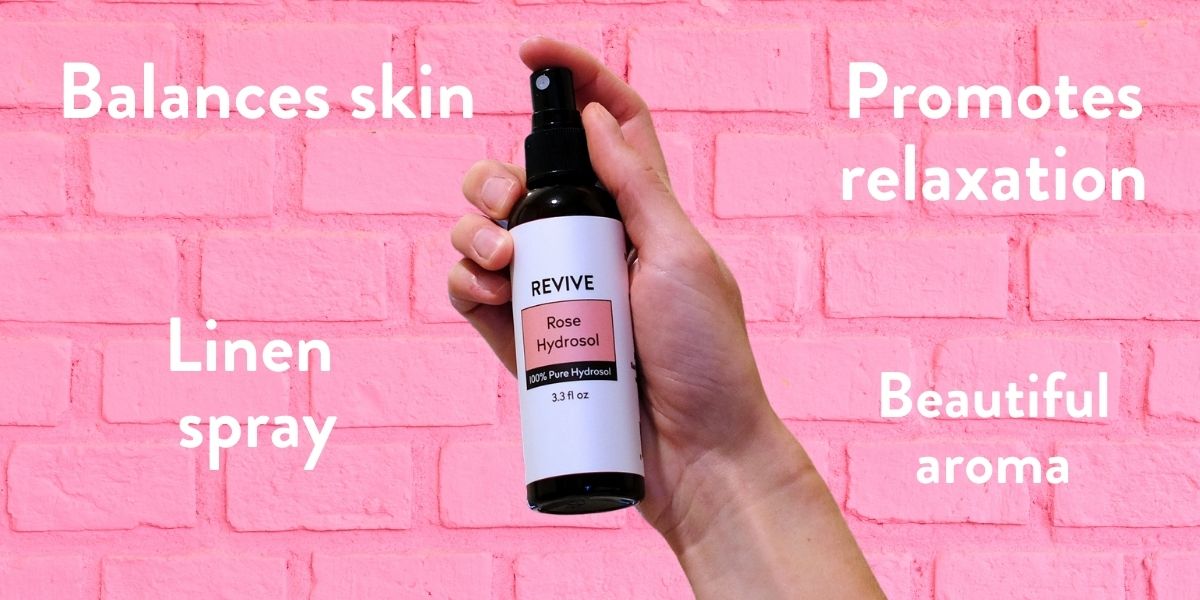
As you can see, Aromatherapy and Essential Oils are a great way to naturally support seniors. With many applications for everyday ailments, you can rest assured that they do not always need to turn to medication for relief. And, you know that you can always count on REVIVE to provide you with all of these super helpful products. With so many Essential Oils and Blends to choose from, REVIVE prides itself on offering top quality, affordable, pure, and unrefined oils. These incredible products are also sustainably sourced, cruelty free, and ethically acquired! In addition to that, if you ever have any questions at all, the chat option on the website is there for you when you need it.